

■ What is the Self-Dummy Head Service
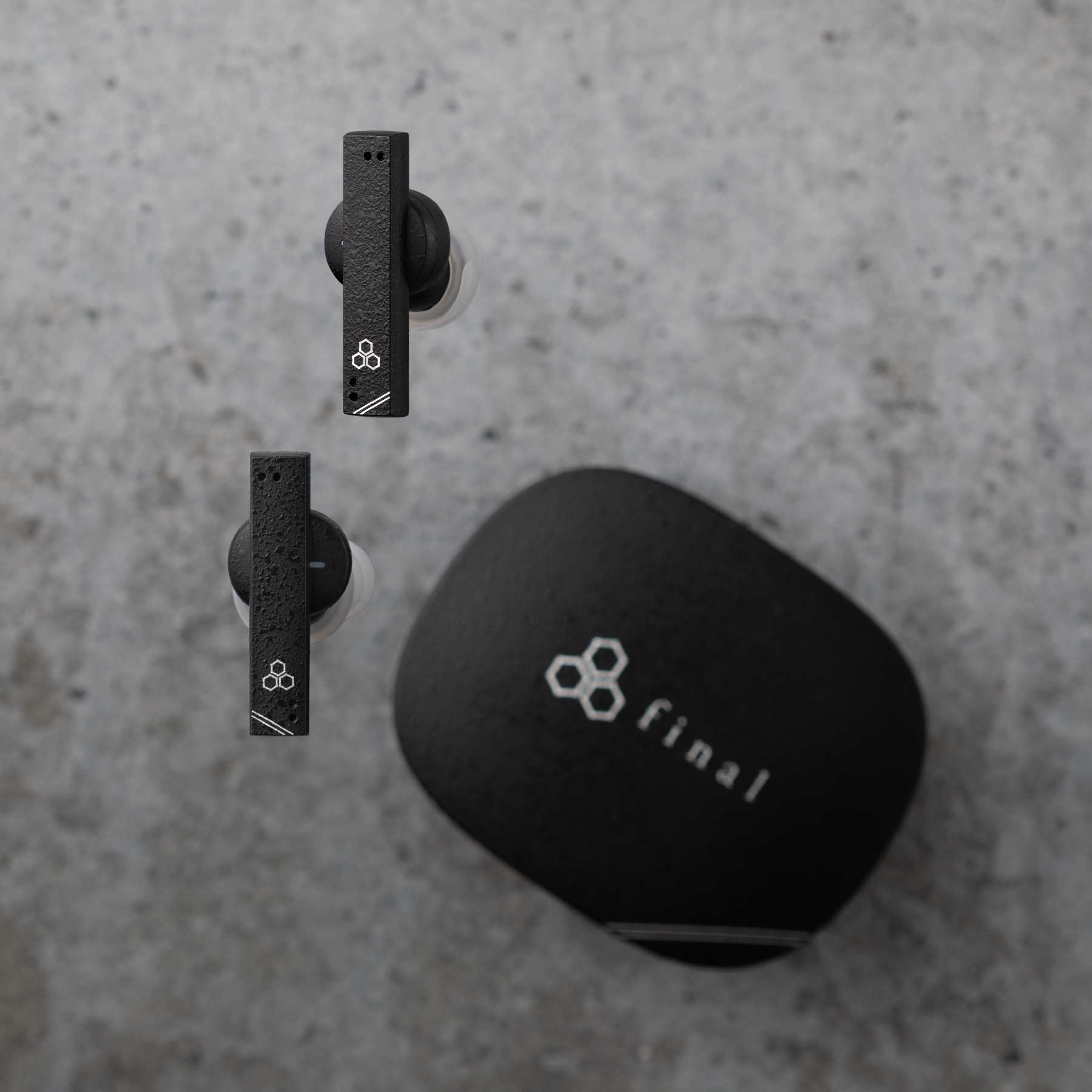
This is a unique service that maximizes the entirely new music experience '8K SOUND' of the flagship wireless earphones ZE8000 to suit the individual. By forming a 'Self-Dummy Head' from intricate data obtained from the upper body of each person using a special measurement method, and further investing in a uniquely developed 'virtual sound environment', the ZE8000 delivers sound alignment tailored to each individual from the obtained data.
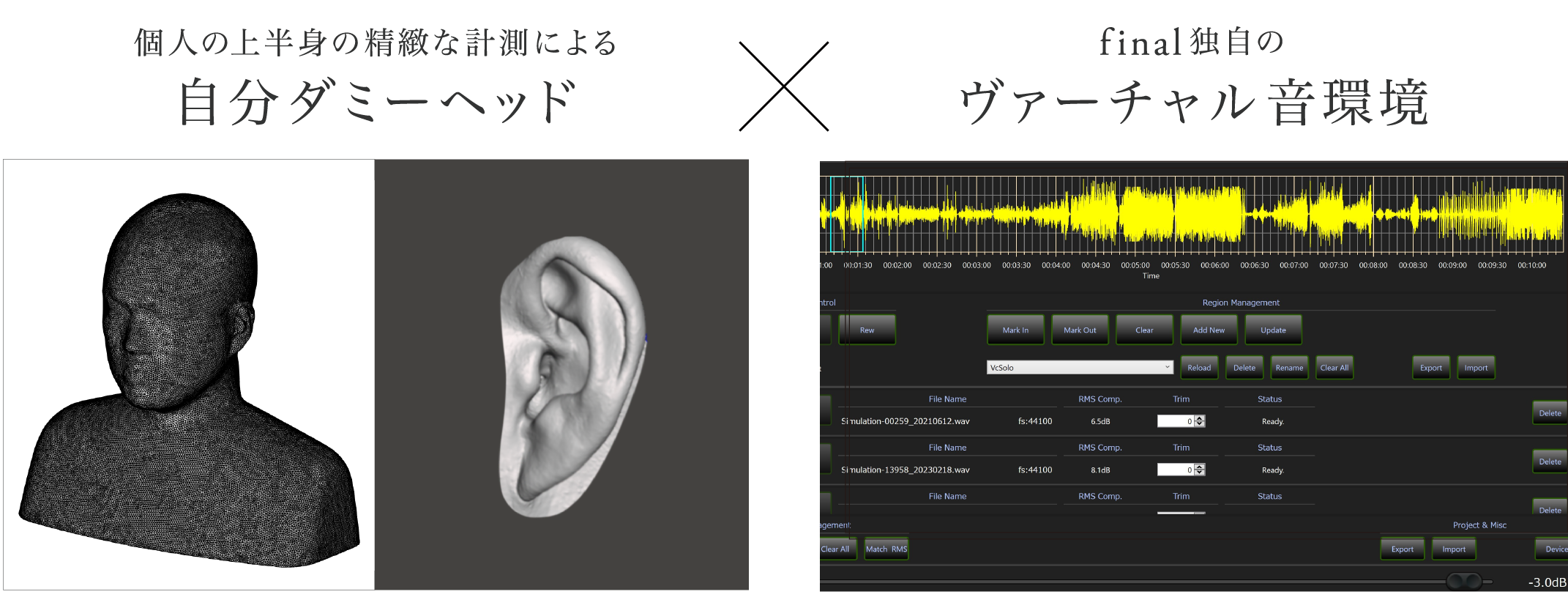

・Based on shape data measured at 864 points across the entire upper body, not just the ears, the acoustic physical quantities are meticulously derived using COMSOL*1's physical simulation.
・final independently developed original software to control the acoustic physical quantities of self-dummy heads in virtual sound spaces.
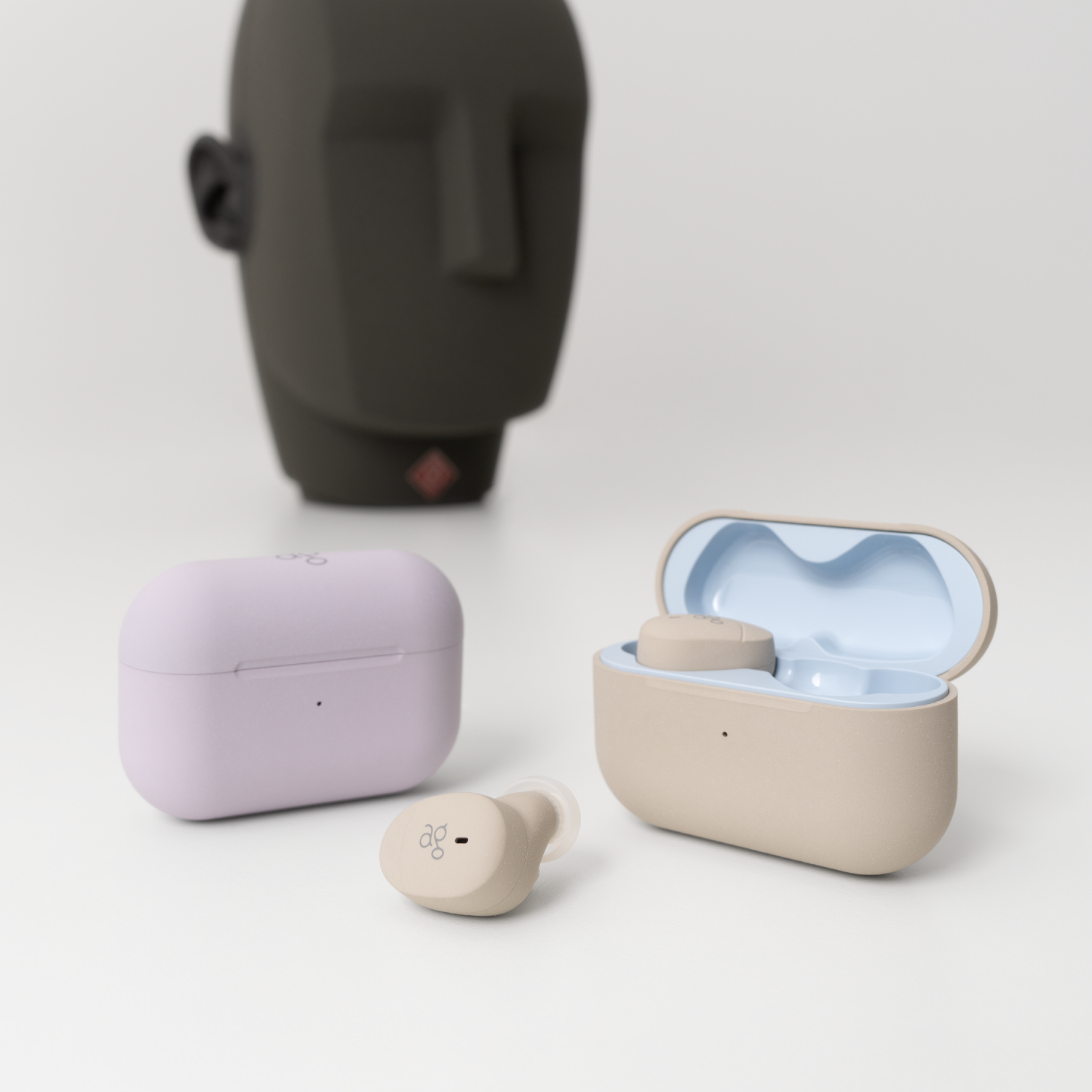
Additionally, by processing ear pieces specifically for the ZE8000 MK2 to enhance sealing and retention, self-dummy head-specific silicon ear pieces are adopted. From a complex perspective, we realize an "improvement in sound quality."
■ About Sound Quality
Sound quality is the source of all impressions you feel when hearing a sound, excluding the pitch, volume, and direction of the sound.
For example, when you perceive something dangerous approaching just by the sound, you know the location of that thing from the sound and infer what it is from the sound. The former is sound direction perception, and the latter is sound quality recognition. Since we can recognize sound quality, we can understand the differences between various instruments and voices solely through sound.
In other words, sound quality is the most important element for enjoying music composed of different instruments and voices.
The purpose of the self-dummy head service is to enhance the sound quality reproduction capability of earphone content, allowing for more enjoyment of music.
■ Points of the Self-Dummy Head Service
1: Implement individual sound quality optimization different from the previous service.
2: The ZE8000 dedicated app "final CONNECT" is updated to the self-dummy head service customer version.
3: Based on the ZE8000 MK2-specific ear pieces, processed silicon ear pieces dedicated to this service are used.
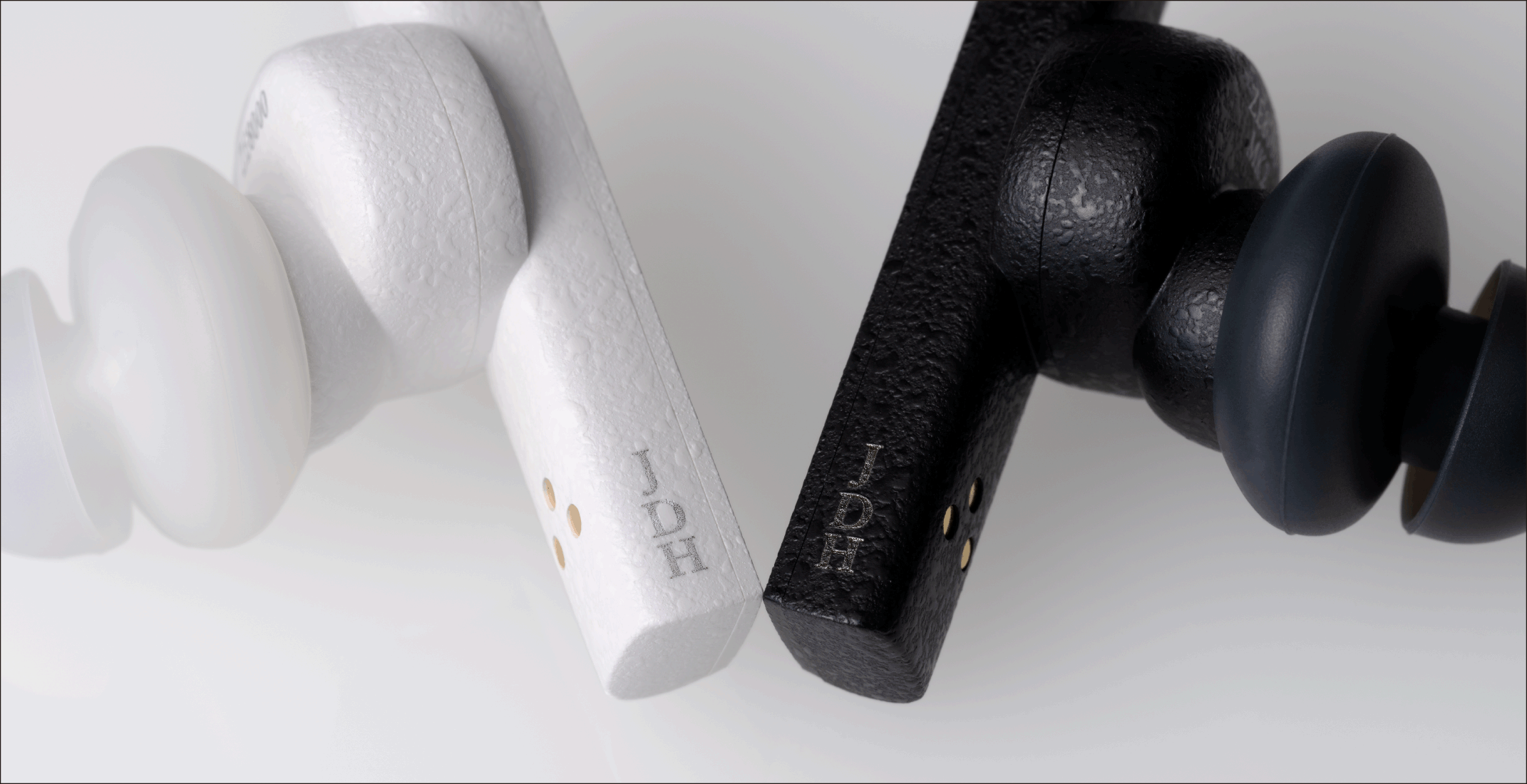
4: Laser engraving of self-dummy head verification marks on the body

■ Service Overview
◎ Required Time
For the provision of this service, it is necessary to visit final headquarters (Kawasaki City, Kanagawa Prefecture) twice.
From DAY1 to delivery, it usually takes about one month.
Additionally, if accurate measurement is not possible and data needs to be re-taken, more time may be required for delivery, so please be aware in advance.
◎ Participation Conditions
・Those who already use ZE8000
※ If you have not used ZE8000 beforehand, there is a possibility that accurate measurement cannot be performed. Also, please note that it is not possible to try or purchase our products on the day of data measurement due to the scheduling of reservations.
・Those who can visit final headquarters (Kawasaki City, Kanagawa Prefecture) twice
◎ Price
55,000 yen (tax included)
◎ Warranty Period
One year from the date of receipt of the product with self-dummy head application.
◎ Target Models
ZE8000
※ "ZE8000MK2" is not included in this service.
■ From Application to Delivery
Third Application Round
【Application Method】
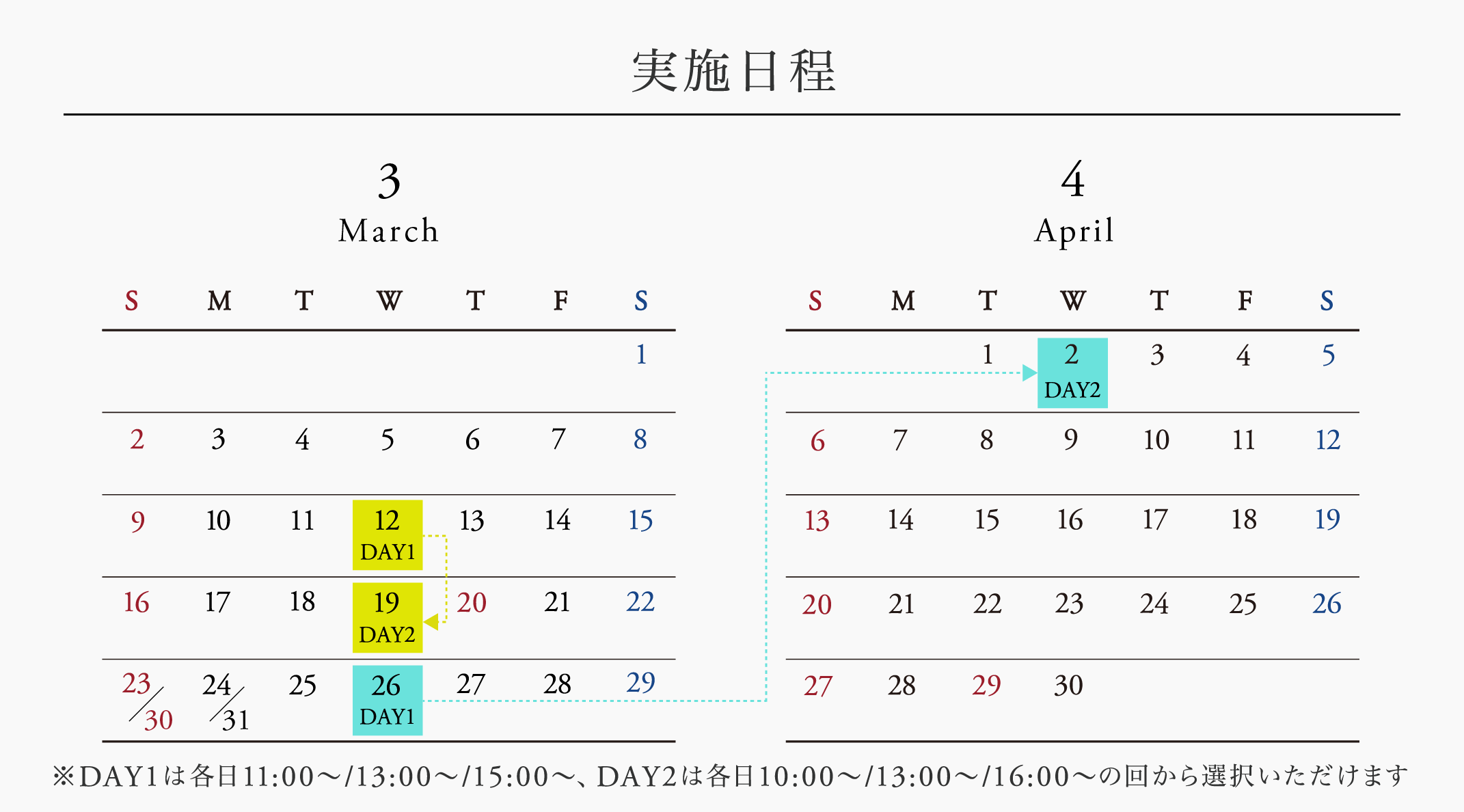
Please apply by selecting your preferred date and time for DAY1 and DAY2 from the following application form.
【Application Period】
From February 21, 2025 (Friday) to February 25, 2025 (Tuesday) 23:59
【Number of Recruits】
6 people
【Selection Announcement】
We will contact only those selected via the registered email address by February 27, 2025 (Thursday).

DAY1 (Required Time: 2 hours)
[STEP1]
Receive the ZE8000 you brought.
[STEP2]
Explanation about the self-dummy head by staff.
[STEP3]
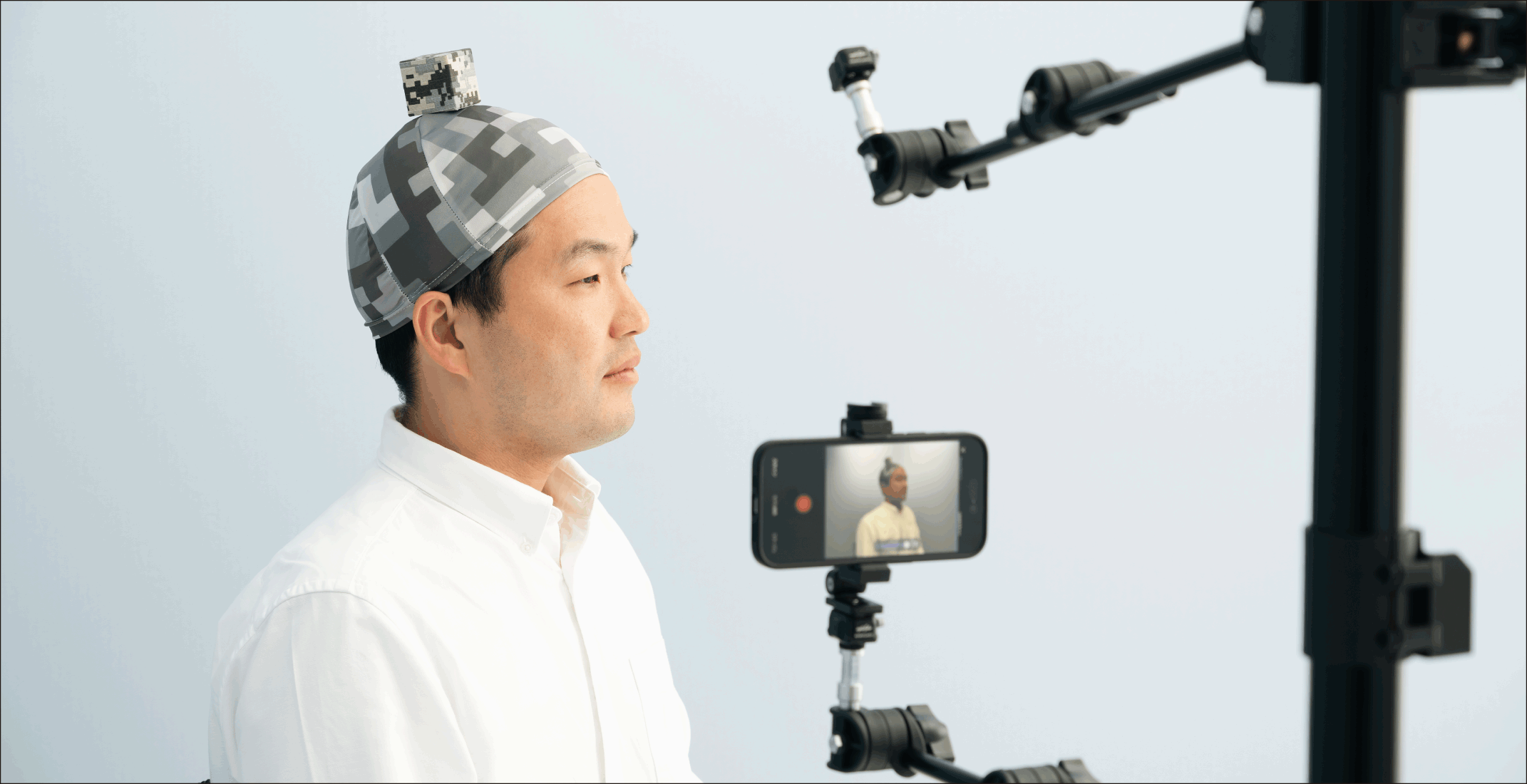
Upper body 3D scan.
[STEP4]
3D scan of the ear and outer ear canal entrance.
[STEP5]
Measurement of the physical properties of the outer ear canal.
[STEP6]
Loan of substitute products.


DAY 2 (Required Time: Approx. 3 hours)
[STEP1]
Final alignment by acoustic test.
[STEP2]
Explanation of the self-dummy head service-specific app functions.
[STEP3]
Return of substitute products.
[STEP4]
Confirmation of delivery date and destination.
※ Delivery
The self-dummy head-applied ZE8000 will be sent to the specified address at the specified date and time.
■ Things to Know Before Applying
【Regarding the General Service】
・During the period, the ZE8000 you brought will be kept at final. Until the entire service is completed, a substitute ZE8000 and ear pieces will be loaned.
・If you are late for the appointment time, customers with reservations for the next slot will be prioritized.
【Regarding Data Measurement】
・There will be multiple opportunities for staff to touch your ears. Please be aware in advance.
・To ensure accurate data measurement, entry of anyone other than the self-dummy head service contractee is restricted. We appreciate your cooperation.
・Depending on the results of the alignment, re-measurement of data may be necessary.
【Regarding DAY1 Precautions】
・Please refrain from wearing clothing that covers the neck area, such as parkas or turtlenecks.
・Remove earrings and piercings as they may affect the scan.
・A scene will occur where a special hat is worn during the 3D scan.
・For the measurement of the physical properties of the outer ear canal, you will enter a darkened area treated for sound absorption.
【Notes】
※ We do not accept cancellations, returns, or exchanges after reservation and settlement.
※ Depending on the shape of the ears, it may be difficult to carry out the data measurement to the end, and there may be cases where the service cannot be provided. In such cases, a refund will be issued, and the ZE8000 you deposited will be returned.
※ There may be cases where re-measurement of data is necessary. In such cases, you will need to make another reservation and visit final headquarters (Kawasaki City, Kanagawa Prefecture). Also, the period until delivery may fluctuate.
■ Concept of the Self-Dummy Head Service
At final, we utilize the unique concept of a virtual sound environment to research and develop subjects to be listened to with transducers (2ch stereo sound sources) created content. This concept aims to surpass the limitations of traditional transducer product development, which has primarily relied on physical measurement and subjective evaluation of sound.
In this virtual sound environment, we have advanced research and development for the services presented this time by incorporating a model called "self-dummy head," created based on precise body shape measurements. By incorporating the self-dummy head into a virtual sound environment, it is possible to verify two important auditory phenomena: "sound direction perception" and "sound quality recognition." When we listen to music with earphones, we enjoy not only the position of the sounds of each instrument and vocal but also the sounds themselves of each instrument and vocal.
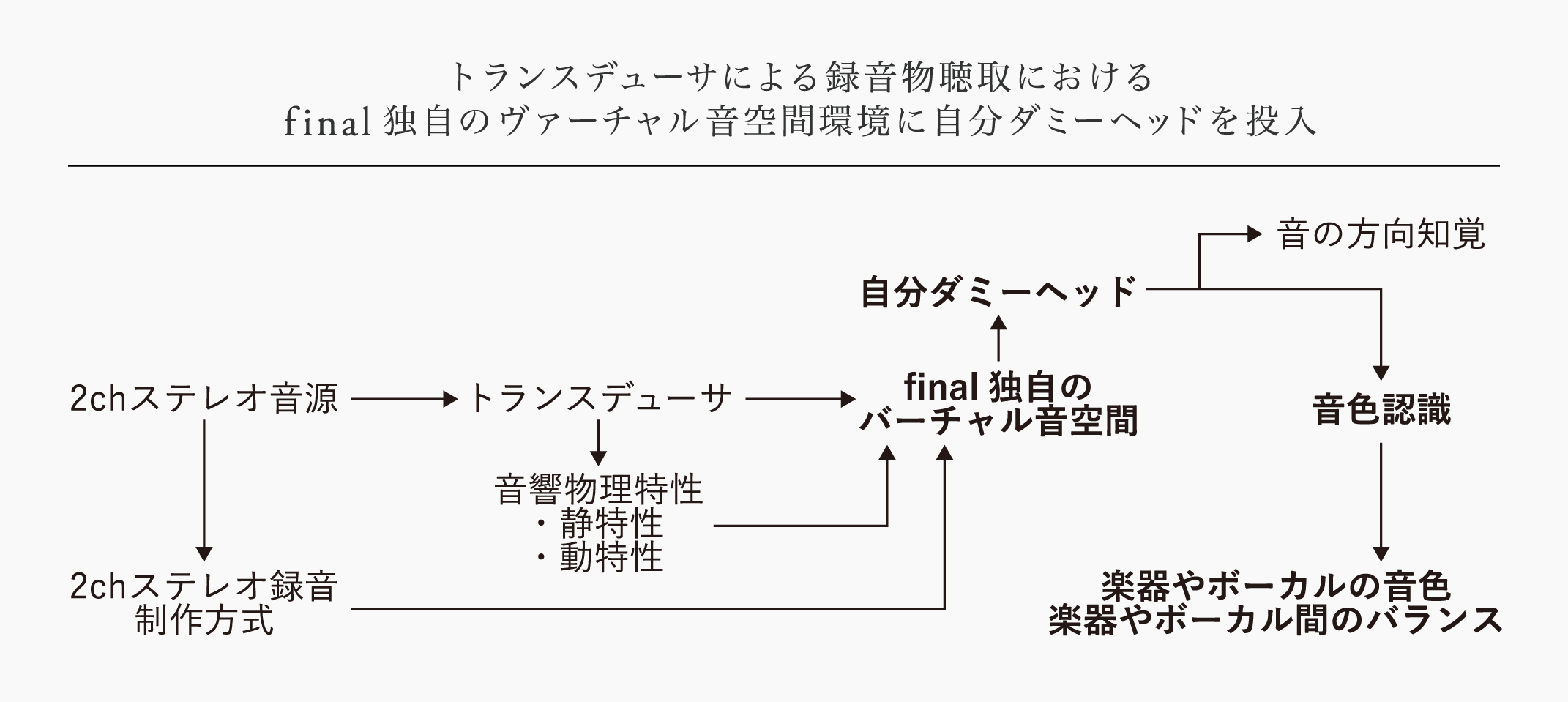

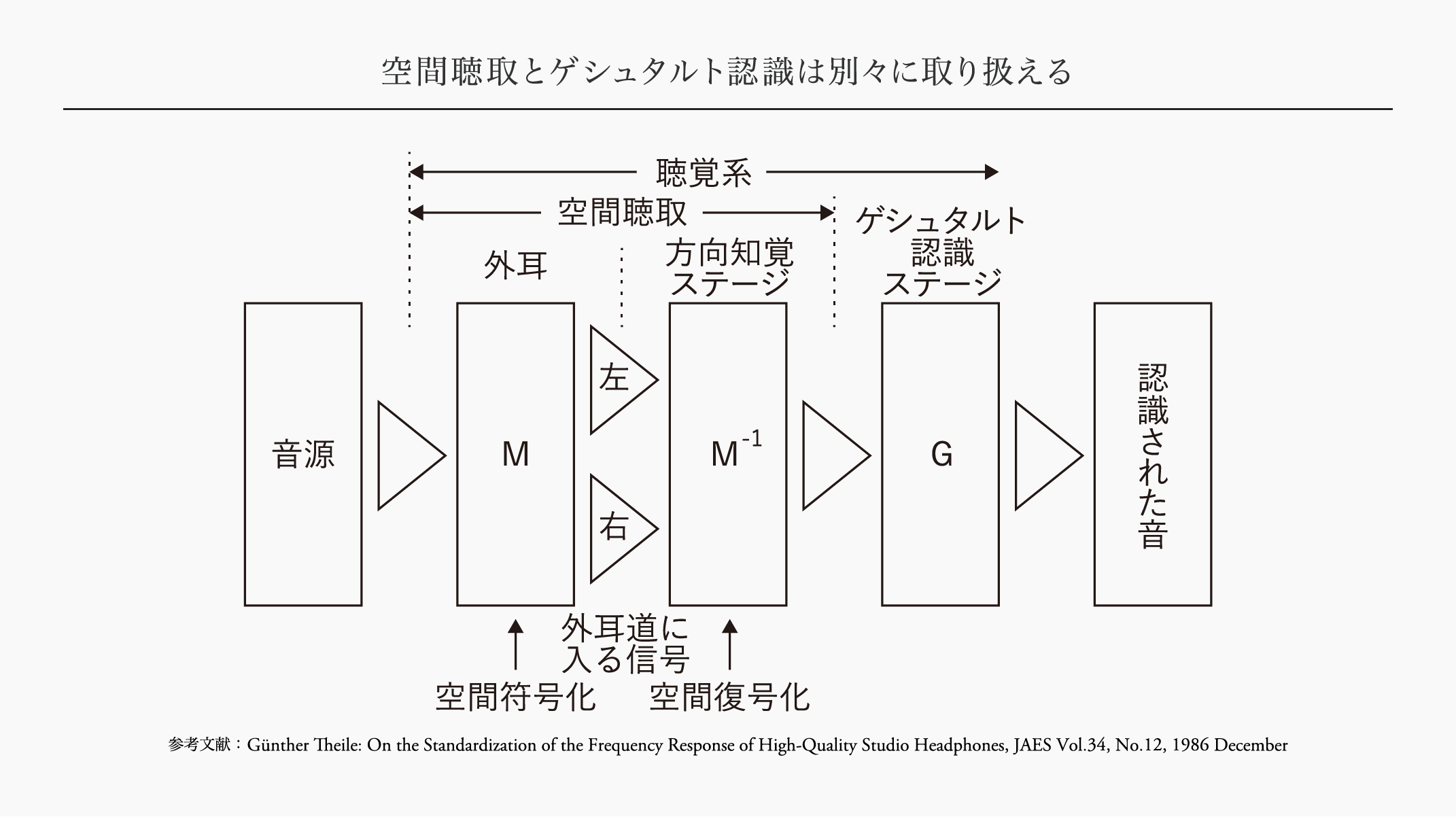

The diagram above is a simplified explanation of a figure included in a paper presented by Günther Theile, a German acoustics researcher, in the AES Journal in 1986. It is a model showing how sound reaching the eardrum is processed both physically and psychoacoustically. The important point here is that spatial hearing and gestalt recognition are processed in separate stages. Gestalt recognition is a psychological concept of recognizing shapes instantly, allowing one to recognize and understand the timbre of each instrument or vocal sound in music listening as previously explained.
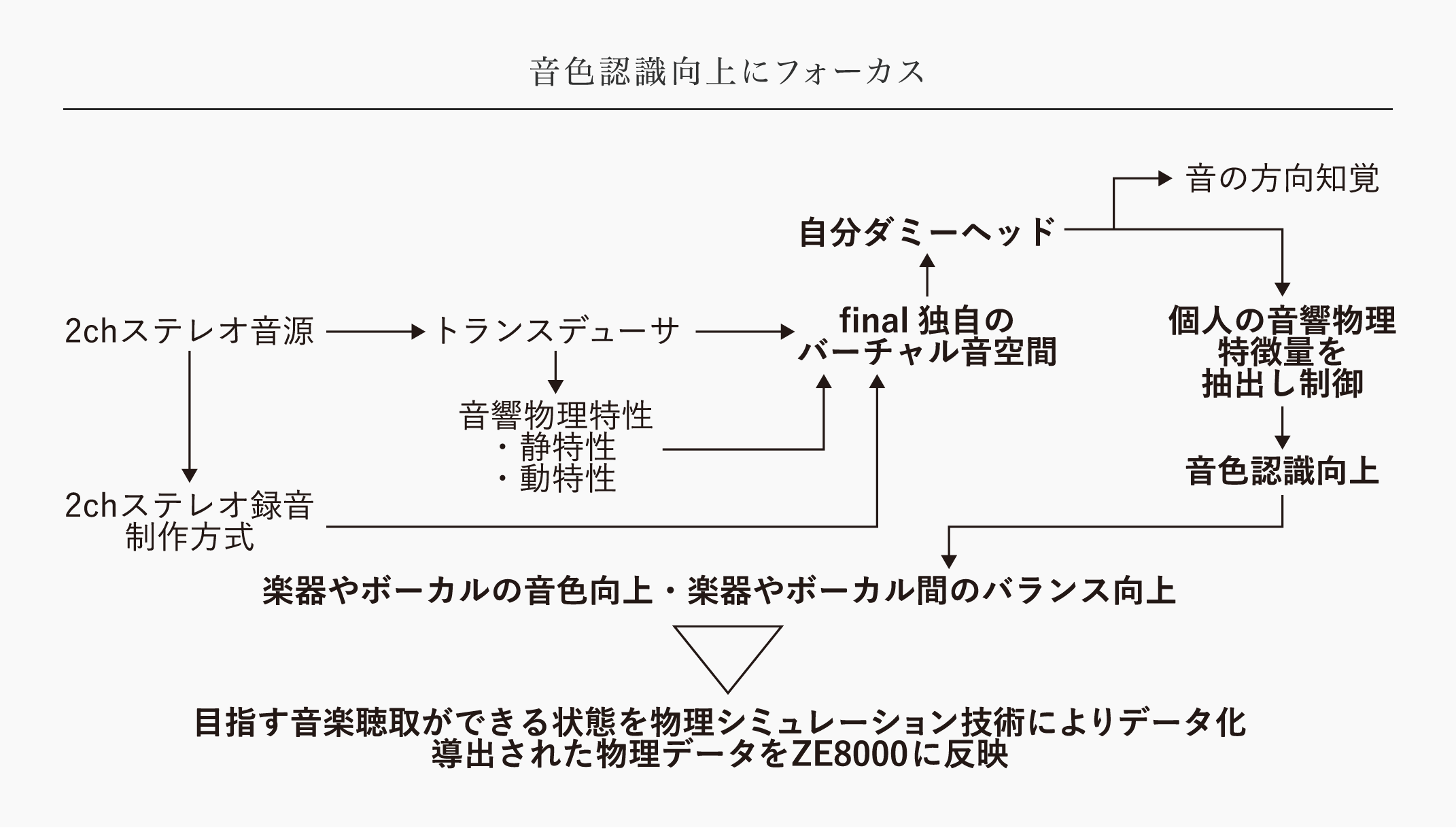

Basing on the model presented by Günther Theile, it becomes possible to handle sound direction perception and timbre recognition independently. This time, the service we are presenting is aimed not at sound direction perception, but at improving the quality of timbre recognition.
The acoustical physical characteristics obtained from one's own dummy head placed in the virtual sound environment introduced earlier are being utilized to enhance timbre recognition based on the concept of the model shown by Günther Theile. As a result, the timbre of instruments and vocals is improved, and the balance between instruments and vocals can also be enhanced. The obtained information is digitized through simulation technology, and this data is reflected in your ZE8000 and delivered to you.
■ Why measure the upper body
In a free field without any reflections (e.g., an anechoic chamber), when a perfect omnidirectional sound source (a sound source without any specific directional frequency characteristics) is listened to by multiple people at equal distances from the sound source, it can be assumed that both oneself and others are listening to approximately the same sound. However, oneself and others listening together have completely different body shapes.
Therefore, due to the reflections and diffractions caused by the head and torso, the physical characteristics of sound waves reaching the eardrum vary for each individual.
However, under the above conditions, it is assumed that despite different body shapes, one is listening to approximately the same sound, so the auditory perception of each person compensates to recognize or perceive the changes in the physical characteristics of sound waves reaching the eardrum due to body shape differences as approximately the same sound.
In environments where sound is heard through earphones or headphones, since the sound is provided directly to the outer ear from the driver without coming from outside the body, the above assumption no longer holds.
In other words, even if the same earphones or headphones are used, it can no longer be said that others are listening to the same sound as oneself.
Therefore, to discuss the sound of earphones or headphones, it is necessary to know how the individual's body shape affects the sound waves coming from outside the body.
In the concept of one's own virtual sound environment, it is necessary to consider the physical effects that individual body shapes have on the sound coming from outside the body, so data measured on the individual's head and torso shape is used to optimize the sound presented in headphones or earphones.
■ Glossary
※ Dummy Head
HATS (Head and Torso Simulator) refers to a mannequin of only the head and torso used in acoustical measurements.
HATS is a model of the average human head, ear canal, and torso shape, used to estimate the sound waves reaching the eardrum when a person enters an arbitrary sound field. Therefore, the outer ear canal and ear canal are particularly accurately modeled. Generally, an artificial ear formed with a microphone corresponding to the eardrum and an outer ear canal is set on the left and right of the head, and various measurements can be conducted using this microphone.
HATS is one of the important measurement instruments in the development and evaluation of audio devices and acoustical systems, and is also used in the research and development of earphones and headphones.
On the other hand, Dummy Head refers to a simulator modeled only on the head of HATS, meaning a simulator that models the human head, and is used in the measurement of headphones and earphones, as well as binaural recording. Since the term HATS is generally less familiar, here, the commonly used term Dummy Head is used as a substitute for the simulator including the head and torso of HATS.
※ Transducer
A transducer is a device that converts sound waves into electrical signals, or electrical signals into sound waves.
The former includes microphones, while the latter includes speakers, earphones, and headphones. Transducers are particularly important devices in audio technology that handles sound waves.
While audio devices other than transducers have greatly evolved with the development of digital audio signal processing technology, transducers have undergone improvements in sound quality through enhancements, but the basic technology remains the foundation even now.
Many products using transducers currently on the market use diaphragms for electroacoustic conversion. While research is being conducted on transducers that do not require diaphragms using laser technology and thermoacoustic technology, some research challenges still need to be cleared before they become practical products.
※ COMSOL
At final, we conduct acoustical physical simulations based on numerical analysis methods using COMSOL Multiphysics® from COMSOL Inc.